

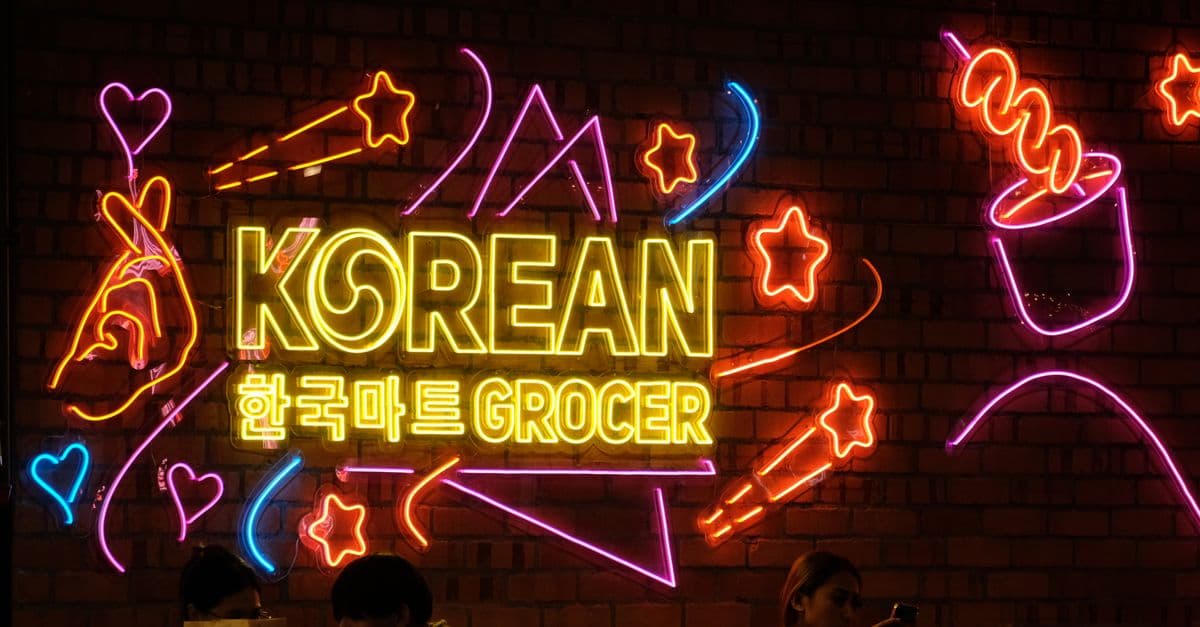
Retail Wayfinding & Environmental Experience Designer
Design retail wayfinding systems that guide customers and boost dwell time
What You Can Do
You can develop end-to-end wayfinding strategies for retail spaces that integrate signage systems, spatial cues, color coding, and lighting into seamless customer journeys. This skill helps you map critical decision points (store entrance, category transitions, checkout flows), design multi-floor navigation systems, and create brand-consistent environmental graphics that convert browsers into purchasers while reducing decision fatigue.
Features
Create primary, secondary, and tertiary signage systems that guide customers without overwhelming visual space
Identify friction points and opportunity zones where wayfinding interventions drive behavior change
Develop intuitive movement patterns that encourage product discovery while facilitating direct-purchase routes
Design color coding, typography, and iconography systems that reinforce brand identity across multi-location stores
Reduce confusion at critical moments (entrance orientation, department transitions, checkout navigation)
Incorporate digital displays, QR codes, and interactive elements into physical wayfinding systems
Evaluate layout effectiveness and repositioning opportunities based on customer movement patterns
Justify wayfinding investments with ROI projections and competitive benchmarking
Example Output
Example 1: Multi-Floor Department Store Signage Strategy
- Primary signage: 48" overhead directional banners at each floor entrance with department icons and product categories
- Secondary signage: 24" transition markers at aisle head positions with color-coded category blocks
- Tertiary signage: SKU-level shelf labels with QR codes linking to product details
- Result: 23% reduction in customer direction-seeking behavior, 18% increase in cross-category purchases
Example 2: Entrance-to-Checkout Navigation Flow
- Entrance threshold: Large-format orientation map (36" x 48") with "You Are Here" marker and color-coded zones
- Midstore decision points: Suspended wayfinding totems at major intersections with arrow vectors and distance indicators
- Checkout guidance: Floor decals and overhead signage creating unambiguous queue flow and express checkout visibility
- Outcome: 31% faster average dwell time for purposeful shoppers, 12% improvement in checkout throughput
Example 3: Brand-Consistent Multi-Location System
- Modular signage templates using consistent typography (Montserrat Bold for headlines, Open Sans for body)
- Color palette: 6-color system tied to merchandise categories (Beauty: Rose Gold, Activewear: Deep Navy, Home: Warm Taupe)
- Digital integration: LED message boards displaying location-specific promotions while maintaining visual consistency
- Flexibility: 80% template reusability across 15 locations with 20% customization for local layouts
What's Included
- SKILL.md: Complete wayfinding design methodology and retail-specific prompting instructions
- Wayfinding Audit Template: Assessment framework for evaluating current signage effectiveness and navigation gaps
- Signage Hierarchy Worksheet: Specification guide for primary/secondary/tertiary signage with size, placement, and messaging guidelines
- Customer Journey Map: Flowchart template identifying decision points, friction zones, and opportunity moments
- Brand Consistency Checklist: Guidelines for typography, color coding, iconography, and material standards across locations
- ROI Projection Tool: Metrics framework linking wayfinding improvements to dwell time, conversion rate, and operational efficiency gains
Who It's For
- Retail store designers and merchandising directors planning layout optimization and renovation projects
- Environmental graphic designers developing cohesive signage and wayfinding systems for multi-location retailers
- Store operations managers analyzing foot traffic patterns and seeking solutions to customer navigation challenges
- Brand experience strategists ensuring consistent spatial design across retail locations and customer touchpoints
- Real estate and facilities teams evaluating space utilization and layout changes to improve customer flow
Best For
- Designing comprehensive wayfinding systems for new retail spaces or major renovations
- Creating multi-location signage standards that maintain brand consistency while adapting to unique store layouts
- Solving navigation friction at critical customer decision points (entrance, department transitions, checkout)
- Mapping customer journeys to identify foot traffic optimization and product discovery opportunities
- Developing hybrid wayfinding strategies that integrate physical signage with digital navigation tools
- Presenting wayfinding business cases to stakeholders with ROI projections and competitive benchmarking
You might also like
You can make data-driven material decisions for packaging by analyzing lifecycle impact claims, comparing alternatives (bioplastics vs. recycled plastics, paperboard vs. aluminum), and validating sustainability assertions against verified standards. This skill helps you quantify actual environmental benefits, identify greenwashing risks, and create defensible sustainability narratives backed by regulatory compliance and material science principles.
 by camalus

You can rapidly transform vague creative direction into concrete, actionable title sequence specifications that motion designers can implement immediately. This skill extracts motion requirements, establishes timing frameworks, defines typography hierarchies, and creates visual treatment specifications directly from briefs—reducing revision cycles and directional misalignment. You'll produce structured production documents that clarify constraints, success metrics, and technical requirements before any keyframes are set.
by camalus
You'll transform scattered packaging requirements, stakeholder input, and technical constraints into a unified, actionable design brief. The skill synthesizes business objectives, regulatory compliance requirements, production capabilities, and competitive positioning into a single document that guides your creative process and eliminates ambiguity before design commences. It operates in two modes: building briefs from scratch and validating existing briefs for gaps and inconsistencies.
by camalus
You can develop comprehensive brand naming strategies that move beyond brainstorming to professional-grade naming processes. The framework guides you through strategic positioning, generates names across multiple naming categories, conducts linguistic feasibility analysis, screens for competitive and trademark conflicts, and validates market perception—producing names that are ownable, memorable, and strategically aligned with your brand positioning.
by camalus
This skill helps you generate detailed specification documents that eliminate ambiguity in technical illustration work. You'll produce dimensional specifications, part relationships, view angle requirements, asset inventories, and quality control checklists that enable seamless handoffs to illustrators, manufacturers, or documentation teams. The result is first-pass accuracy that prevents costly revisions and ensures production-ready diagrams.
by camalus
You can generate comprehensive brand guidelines that serve as the foundational document for visual and verbal consistency across all brand communications. This skill produces detailed specifications covering logo usage, color systems, typography, imagery standards, tone of voice, and governance structures—all tailored to your brand's specific needs, market position, and organizational complexity. The guidelines you create are designed to be legally defensible, creatively inspiring, and flexible enough to accommodate emerging channels and regional variations.
by camalus
Generate professionally organized color palettes from theme descriptions, URLs, or hex codes you provide. Claude researches color standards, extracts values, organizes them dark-to-light, and produces interactive SVG reference sheets with copy-to-clipboard functionality and WCAG contrast verification. Use it to build brand guidelines, design system documentation, or quick color references for any project.
by camalus
You can create comprehensive wayfinding strategies that integrate typography, color coding, materiality, positioning, and interactive elements into systems tailored to your exhibition's architecture and narrative structure. This skill helps you develop visitor-centered spatial communication systems that guide audiences intuitively while managing flow, reinforcing curatorial intent, and ensuring accessibility compliance across permanent or temporary installations.
by camalus