

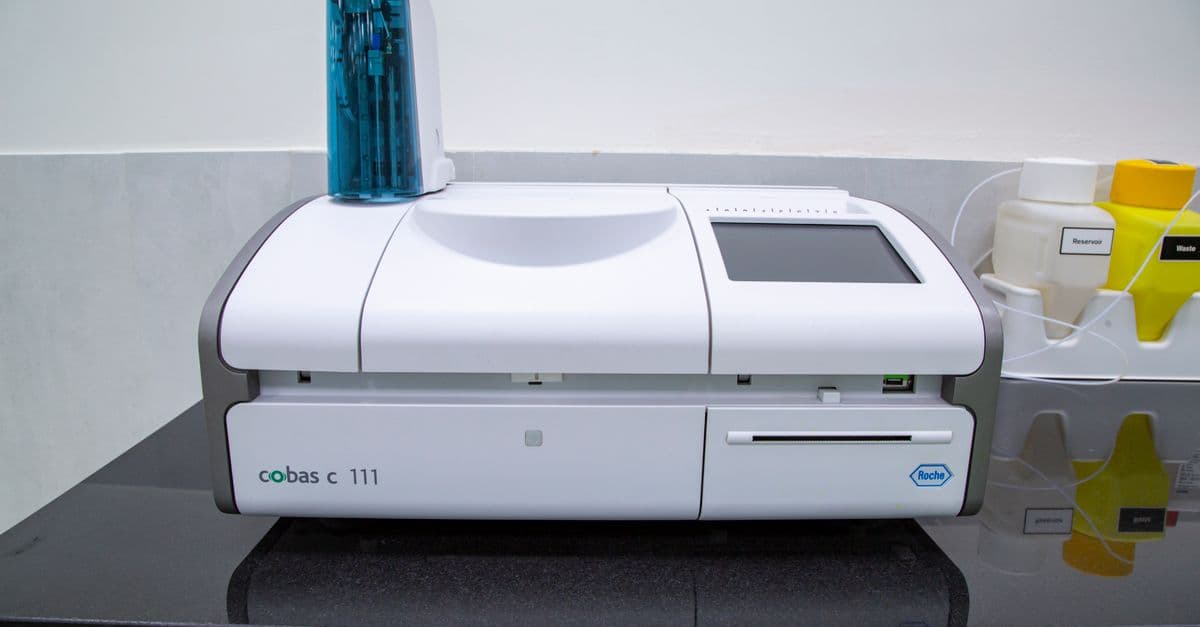
Biochemical Process Design & Optimization Assistant
Design and optimize biochemical processes from fermentation to bioreactor scale-up

What You Can Do
Design, model, and optimize complex biochemical processes including fermentation, enzyme kinetics, and bioreactor operations. You can analyze fermentation pathways, calculate optimal operating conditions, scale up lab protocols to production scale, and troubleshoot process bottlenecks using rigorous engineering principles. This skill generates detailed process specifications, quantitative engineering calculations, and optimization recommendations that integrate biochemistry, thermodynamics, and reactor engineering.
Features
Model substrate utilization, product formation kinetics, and metabolic constraints to design optimal fermentation strategies
Estimate Michaelis-Menten parameters, inhibition mechanisms, and reaction rates from experimental data
Calculate oxygen transfer rates, mixing times, heat generation, and operating conditions for different reactor scales
Develop nutrient balance formulas, growth factor requirements, and cost-effective ingredient ratios
Predict cycle times, product titers, yield improvements, and process efficiency metrics from kinetic data
Compute temperature gradients, oxygen diffusion, CO₂ stripping, and cooling/heating requirements
Design cell separation, purification, and product concentration strategies based on product properties
Diagnose contamination, inhibition, foaming, and productivity issues from batch failure observations
Example Output
Example 1: Fermentation Scale-Up Report
- Current conditions: 2L lab bioreactor, 48-hour batch, 15 g/L final product
- Recommendation: Scale to 100L with aeration rate 0.5 vvm, agitation 120 rpm (maintains kLa = 50 h⁻¹)
- Expected yield at scale: 15.2 g/L; process time: 50 hours
- Risk assessment: Monitor for oxygen limitation above 0.4 vvm; validate heat removal capacity
Example 2: Enzyme Kinetics Analysis
- Fitted parameters: Km = 2.3 mM, Vmax = 8.5 µmol/min/mg
- Inhibition type: Competitive (Ki = 5.1 mM)
- Reaction rate at [S] = 10 mM: 7.2 µmol/min/mg
- Optimization: Reduce inhibitor by 40% → 22% productivity increase
Example 3: Media Formulation Worksheet
- Carbon: 40 g/L glucose + 10 g/L glycerol
- Nitrogen: 3:1 C:N ratio, 5 g/L yeast extract
- Trace elements: Fe 50 µM, Zn 25 µM, Mg 2 mM
- Predicted growth: 0.35 h⁻¹; product formation: 0.18 g/(L·h)
What's Included
- SKILL.md: Complete framework with fermentation design workflows, enzyme kinetics analysis, and bioreactor scale-up decision trees
- Fermentation design template: Worksheet for organism kinetics, substrate evaluation, and process constraint analysis
- Bioreactor scale-up checklist: Dimensional analysis, heat balance equations, oxygen transfer calculations, and operating parameter translation
- Enzyme kinetics worksheet: Michaelis-Menten fitting, inhibition evaluation, and rate optimization framework
- Media composition calculator: Nutrient balance formulas, C:N ratios, trace element requirements, and cost analysis
- Process troubleshooting guide: Decision tree for contamination, foaming, inhibition, and productivity diagnosis
Who It's For
- Bioprocess engineers — Design and optimize production-scale fermentation and bioreactor operations
- Biochemical researchers — Model enzyme kinetics, pathway design, and reaction condition optimization
- Fermentation technicians — Scale proven lab protocols to pilot and production scale with engineering rigor
- Biopharmaceutical manufacturers — Optimize protein, monoclonal antibody, and vaccine fermentation processes
- Academic biotechnology researchers — Study metabolic engineering, strain development, and fermentation kinetics
Best For
- Designing novel fermentation processes from substrate selection through product recovery
- Scaling lab bioreactors (2–10L) to pilot and production scales (100–10,000L+)
- Optimizing aeration, agitation, temperature, and pH for maximum growth and product formation
- Analyzing enzyme kinetics data and fitting rate models to experimental results
- Troubleshooting fermentation failures: contamination, product inhibition, viscosity, foaming, oxygen limitation
You might also like

You can accelerate your entire antenna design workflow—from initial concept to optimized specifications—by leveraging Claude's knowledge of electromagnetic theory, antenna types, and design trade-offs. Claude helps you parameterize designs, identify optimal configurations for your frequency band and application, and prepare detailed briefs for simulation and manufacturing. You'll generate design reviews, impedance-matching solutions, and validation checklists without context-switching to multiple tools.

Rapidly analyze production incidents by correlating observability signals—logs, metrics, traces, and events—to identify the true root cause instead of symptoms. You'll reconstruct incident timelines, quantify impact scope, and generate both immediate remediation steps and long-term prevention measures.

Claude analyzes your code diffs and generates standardized commit messages that follow the Conventional Commits specification. The skill automatically determines the correct commit type, scope, and description based on the changes you've made, ensuring your messages are parseable by automation tools while remaining human-readable for code reviewers.

You'll transform high-level feature requirements into a complete development plan covering API design, frontend implementation, testing strategy, and documentation. The skill helps you identify dependencies, parallelize work across frontend and backend teams, and establish quality gates that ensure features ship bug-free with proper error handling and logging.
Transform schema and data changes into production-ready migration packages that protect data integrity and minimize downtime. You can handle column additions, renames, type conversions, and backfills using proven patterns like expand-contract and shadow tables. The skill generates explicit rollback scripts, validation checklists, and phased execution plans that keep applications stable throughout the migration.

You can design end-to-end NGS pipelines tailored to your experiment type (WGS, WES, RNA-seq, targeted), troubleshoot pipeline failures by analyzing QC metrics and logs, and optimize performance by fine-tuning parameters and identifying bottlenecks. This skill handles the full workflow from raw sequencing data quality assessment through variant interpretation and annotation.
You can analyze any NoSQL query—whether MongoDB, DynamoDB, Cassandra, or Firestore—to identify performance bottlenecks, missing indexes, and inefficient data access patterns. You'll receive structured recommendations with before/after comparisons, cost estimates, and refactored queries that dramatically improve performance and reduce database costs.
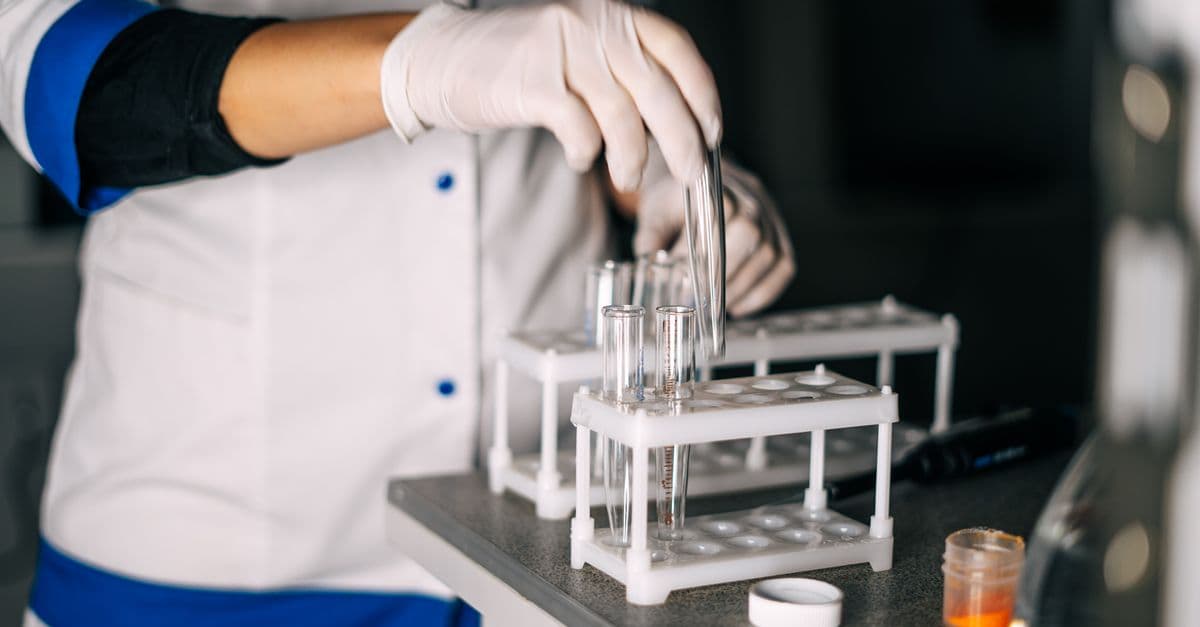
You can rapidly design, optimize, and validate chromatographic and LC-MS/MS methods for analyzing drugs and metabolites in biological matrices. This skill guides you through analytical method development workflows—including parameter selection, sensitivity optimization, and regulatory strategy—while ensuring ICH Q2(R2) and FDA compliance throughout the development process.