

Sensor Fusion Architecture Validator
Validate sensor fusion architectures and generate ADAS test matrices

What You Can Do
You can submit proposed sensor fusion system architectures for structured validation that catches timing violations, coordinate frame mismatches, and redundancy gaps early in the design phase. Claude analyzes sensor interaction patterns, identifies data consistency requirements across cameras, LiDAR, radar, and inertial sensors, then generates detailed test matrices covering multi-sensor fallback modes and operational design domain constraints—accelerating pre-development reviews where architectural fixes are most cost-effective.
Features
Systematically evaluates sensor fusion topology, data flow paths, and integration points for design flaws
Identifies timing synchronization constraints, latency mismatches, and coordinate frame transformation complexities
Assesses sensor redundancy strategies and generates fallback scenarios for safety-critical functions
Creates comprehensive test cases covering multi-sensor combinations, sensor degradation modes, and ODD edge cases
Detects synchronization violations between asynchronous sensor inputs with different update rates
Recommends sensor calibration procedures and validation checkpoints for architecture implementation
Documents sensor failure modes, cross-dependencies, and system-level impact assessment
Example Output
Example 1: Architecture Review Output
Sensor Fusion Architecture: Camera + LiDAR + Radar Redundancy

✓ TIMING CONSTRAINTS
- Camera frame rate: 30 Hz (33ms latency acceptable)
- LiDAR scan rate: 10 Hz (100ms latency constraint)
- Radar update: 20 Hz (50ms max acceptable)
- Fusion cycle: 10 Hz, requires 300ms buffering strategy

⚠ IDENTIFIED ISSUES
- Coordinate frame transformation chain requires 4 rotation matrices (high complexity)
- LiDAR-camera misalignment tolerance: ±0.5° in pitch (calibration critical)
- Radar velocity measurement conflicts with camera optical flow in fog (fallback required)
Example 2: Test Matrix Excerpt
| Test Case | Sensor Configuration | Failure Mode | Expected Behavior | Pass Criteria |
|-----------|----------------------|--------------|-------------------|---------------|
| T-001 | All sensors nominal | Baseline | Full fusion output | <10cm error |
| T-012 | Camera fail | Vision loss | LiDAR+Radar hybrid | <50cm error, alert |
| T-024 | Rad vel conflict | Fog, rain | Optical flow override | <100ms switchover |
Example 3: Redundancy Gap Report
CRITICAL GAPS IDENTIFIED
- No fallback for LiDAR-only intersection detection (single point of failure)
- Recommendation: Add rule-based radar-camera crossing confirmation
- Test gap: No scenario covers simultaneous camera+LiDAR degradation
What's Included
- SKILL.md: Sensor fusion validation instruction framework
- Architecture Review Checklist: 25-point validation template covering topology, data consistency, timing, redundancy, and safety constraints
- Test Matrix Template: Structured test case generator with sensor combination matrix, failure mode scenarios, and acceptance criteria
- Coordinate Frame Worksheet: Transformation chain mapper identifying rotation matrix complexity and calibration requirements
- Timing Constraint Tracker: Synchronization violation detector and latency budget calculator for multi-rate sensors
Who It's For
- ADAS/Autonomous Vehicle Engineers — Validating sensor fusion system designs before prototype development
- Systems Architects — Reviewing multi-sensor integration topologies and redundancy strategies
- Safety Engineers — Assessing sensor fusion safety requirements and failure mode impacts
- Test Engineers — Generating comprehensive test matrices for multi-sensor validation campaigns
- Calibration Teams — Planning sensor calibration procedures and validation checkpoints
Best For
- Architecture design review — Structured validation of sensor fusion system topologies during early design phases
- Data consistency analysis — Identifying timing, latency, and coordinate frame mismatches across heterogeneous sensors
- Redundancy strategy validation — Assessing fallback modes and sensor degradation scenarios for safety-critical functions
- Test planning — Generating comprehensive test matrices covering multi-sensor combinations and edge cases within ODD
- Pre-implementation risk assessment — Catching architectural flaws before costly prototype development
You might also like

You can systematically analyze suspension geometry, load paths, and component interactions to validate design decisions and identify optimization opportunities. Claude acts as your collaborative design partner to map force distributions, explore how geometry changes affect performance characteristics, compare suspension architectures, and reconcile conflicting engineering constraints in independent double-wishbone, multi-link, and other suspension systems.
You can transform vague customer NVH complaints into actionable diagnostic protocols by systematically mapping vibration sources, transfer paths, and receiver responses. The framework guides you through symptom normalization, operational condition analysis, and isolation strategy development—reducing diagnostic iteration cycles and accelerating root cause identification across powertrain, chassis, interior, and aerodynamic domains.
You can pinpoint the exact source of sensor fusion failures—whether they stem from misaligned camera/LiDAR/radar extrinsic calibration, timestamp desynchronization, data validation gaps, or algorithmic issues. This skill decomposes multi-modal perception errors into sensor-specific contributions and generates quantifiable diagnostic reports that directly guide calibration and testing teams toward fixes rather than blind troubleshooting.
You can efficiently diagnose complex NVH concerns by working through a structured framework that correlates customer symptoms with potential powertrain failures. This skill helps you narrow diagnostic possibilities, recommend targeted testing sequences, distinguish between component failures and tuning issues, and substantiate warranty claims with technical evidence.
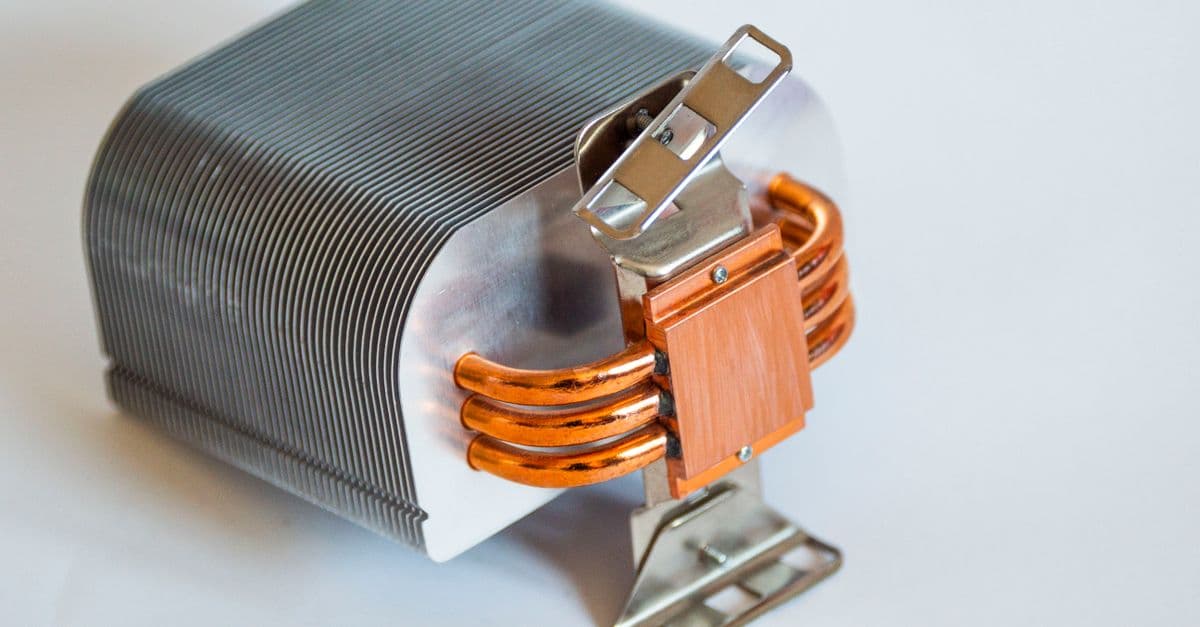
You can systematically analyze thermal performance of battery pack designs using heat generation physics, thermal resistance calculations, and boundary condition modeling. The skill helps you identify cooling system inadequacies, assess failure modes like temperature runaway and hot-spot formation, and generate optimized design recommendations across passive air, active liquid, hybrid, and advanced cooling strategies for cylindrical, pouch, and prismatic cell formats.
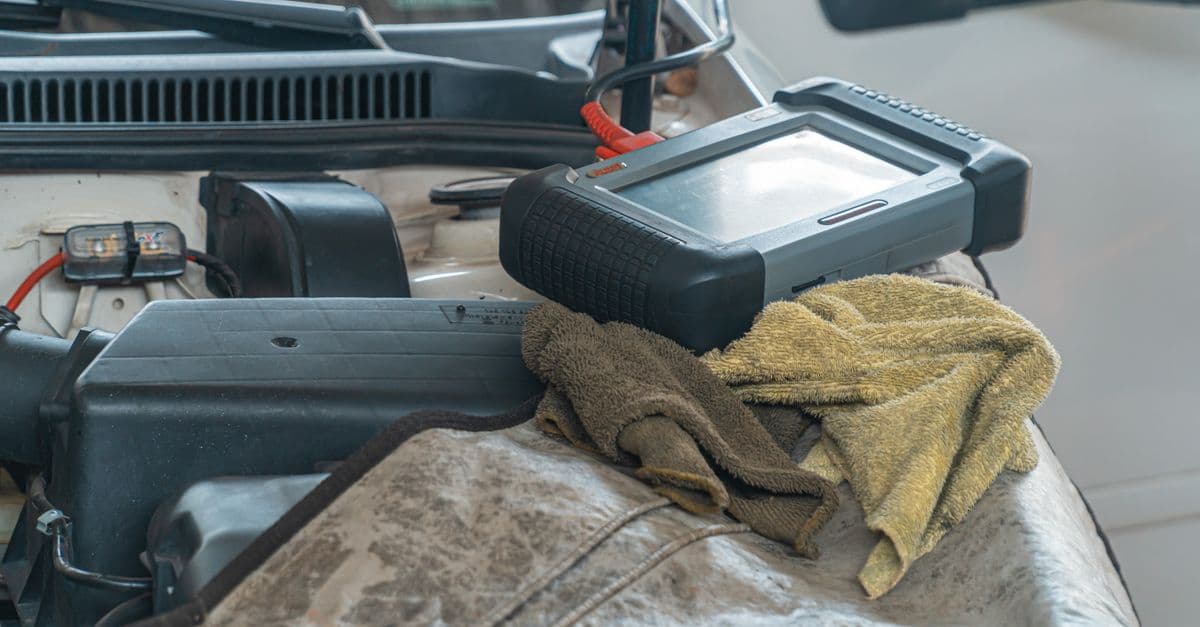
You can decode SAE J2012 standard CAN diagnostic trouble codes (P, B, C, and U codes) with manufacturer-specific extensions, analyze multi-frame fault sequences and temporal patterns across multiple modules, and generate structured diagnostic hypotheses that differentiate between electrical, communication, and algorithmic failures. This skill transforms raw DTC data into actionable investigation vectors, reducing diagnostic analysis cycles from hours to minutes while improving root cause accuracy.

You can quantify sensor fusion performance across object detection, classification, tracking, and localization using standardized metrics. The framework helps you identify systematic failure modes in diverse environmental conditions, document safety-critical gaps, and generate structured evidence packages for ISO 26262 and SOTIF compliance. This enables you to benchmark sensor configurations, define perception KPIs, and support regulatory submissions with rigorous performance documentation.
You can transform raw accelerometer data, sound pressure measurements, and frequency spectra into structured diagnostic insights. Claude helps you organize test data, interpret Campbell diagrams and waterfall plots, quantify source contributions through transfer path analysis, and correlate physical measurements with customer complaints. This systematic approach replaces intuitive troubleshooting with hypothesis-driven test plans and targeted solutions.