

Preclinical Toxicology Report Synthesis & Regulatory Narrative
Transform preclinical toxicology data into GLP-compliant regulatory narratives
What You Can Do
You can rapidly convert complex multi-study toxicology datasets—clinical chemistry, hematology, histopathology, organ weights, and clinical observations—into structured, scientifically rigorous regulatory narratives. The skill identifies critical findings, flags inconsistencies, synthesizes dose-response relationships, and generates organ-system-specific toxicity summaries suitable for regulatory submissions, reducing manual narrative drafting from 30-50 hours to 8-12 hours per study.
Features
transforms study datasets into coherent safety profiles with proper scientific context
ensures narratives maintain regulatory standards and documentation requirements throughout drafting
generates targeted toxicity narratives for hepatic, renal, cardiac, immunotoxicity, and other organ systems
synthesizes findings across single-dose, repeated-dose, and specialized safety studies into unified safety profiles
identifies patterns and relationships between dose levels and observed toxicological findings
drafts human relevance statements and risk assessments with regulatory defensibility
produces IND/CTA-ready narratives for Toxicology and Chemistry, Manufacturing, Controls sections
identifies contradictions and data gaps that require resolution before submission
Example Output
Example 1: 90-Day Repeated-Dose Study Narrative
Input: Raw data from 90-day rat study (50, 150, 500 mg/kg/day doses) with clinical chemistry, histopathology, organ weights
Output:
Systemic Toxicity: At 500 mg/kg/day, animals exhibited dose-related increases in ALT (3.2× control) and AST (2.8× control) with correlating hepatocellular hypertrophy and minimal inflammation on histopathology. These findings were reversible upon 14-day recovery. NOAEL: 150 mg/kg/day.

Target Organ: Liver (based on clinical chemistry elevation and histomorphologic changes). Renal effects limited to minimal protein precipitation at 500 mg/kg/day without functional impairment.
Example 2: Cross-Study Safety Profile
Input: Single-dose (LD50 study), 28-day, 90-day, and 6-month chronic toxicology data
Output:
Safety Profile Summary: Consistent target organ toxicity pattern across all studies with liver as primary organ of concern. Dose-response relationship evident (linear at 50-500 mg/kg/day; plateau observed at higher exposures). No immunotoxicological signals or reproductive effects noted in any study. Human relevance: Rat hepatic metabolism parallels clinical CYP3A4 pathway; findings considered relevant to human safety assessment.
What's Included
- tox-report-synthesis SKILL.md: Detailed instruction file with data interpretation criteria and regulatory narrative standards
- Toxicology Data Template: Structured format for inputting study datasets (clinical chemistry, hematology, histopathology, organ weights, clinical observations)
- Regulatory Narrative Framework: Section-by-section outline for IND/CTA toxicology narratives with compliance checkpoints
- Findings Summary Checklist: QC checklist for dose-response consistency, organ-system coherence, and GLP documentation requirements
- Cross-Study Synthesis Workflow: Step-by-step guide for integrating multi-study datasets into unified safety profiles
Who It's For
- Toxicologists preparing preclinical safety documentation for regulatory submissions
- Regulatory Affairs Specialists synthesizing study data into IND/CTA narrative modules
- Drug Development Program Managers accelerating preclinical documentation timelines
- Contract Research Organization (CRO) Report Writers generating GLP-compliant study narratives at scale
- Pharmaceutical R&D Teams converting raw toxicology data into internally consistent safety assessments
Best For
- Study summary narratives from 14-day, 28-day, 90-day, and chronic toxicology studies
- Organ-system-specific toxicity narratives (hepatic, renal, cardiac, immunotoxicity, neurotoxicity)
- Cross-study safety profile synthesis spanning single-dose through chronic repeated-dose studies
- Regulatory narrative sections for IND, CTA, and other submission dossiers
- Risk characterization and human relevance statements with dose-response justification
You might also like

Turn project descriptions, timelines, and structured data into professional draw.io diagrams instantly. You can generate flowcharts, org charts, Gantt charts, swimlane diagrams, and process flows by describing what you need. Claude creates draw.io XML that you can open directly in the editor or modify further.
 by skillslib

You can design culturally appropriate survey instruments tailored to international development contexts, analyze mixed-methods data by integrating quantitative findings with qualitative insights, and implement robust data quality management systems for your field operations. Claude helps you create survey templates with adaptive logic, develop validation protocols, and produce data quality reports that highlight issues before analysis begins.
by skillslib
You can evaluate whether products are viable remanufacturing candidates by conducting systematic disassembly analysis and identifying recovery opportunities. The skill helps you design efficient remanufacturing workflows, calculate ROI and environmental impact metrics (including embodied energy recovery of 85-90%), and create remanufacturability scorecards that guide design improvements and supply chain decisions.
by skillslib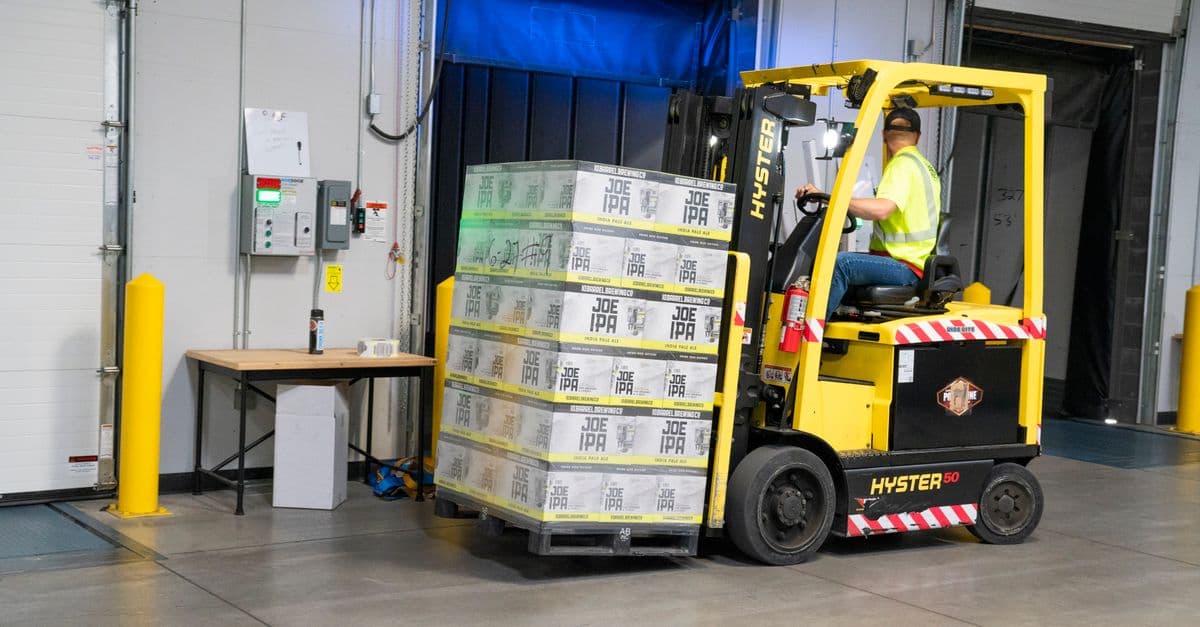
You can diagnose warehouse bottlenecks using structured data analysis, then generate optimized layouts and flow improvements. The skill models space utilization, labor deployment, and throughput constraints to identify quick wins and long-term improvements, delivering quantified cost savings and performance gains for your specific facility.
by skillslib
You can systematically code qualitative data against your evaluation framework, surface patterns and themes across multiple responses, extract compelling impact stories with supporting evidence, and generate summary matrices that link narrative findings to your outcomes claims. This skill maintains analytical rigor while reducing the 40-60 hours typically spent manually reviewing transcripts and open-ended survey responses per evaluation cycle.
by skillslib
Get complete, ready-to-deploy lead magnets tailored to your ideal customer profile. Claude designs the concept, writes the persuasive copy, builds the email sequences, and creates deployment strategies that attract qualified prospects and build engaged lists fast. You'll capture 3-5x more subscribers with magnetic offers that actually resonate.
by skillslib
You can convert raw discovery call notes into polished, multi-section sales proposals that include executive summaries tailored to buyer personas, needs analysis mapped to your solution architecture, tiered pricing options with competitive positioning, ROI projections with financial justification, and realistic implementation timelines. The skill preserves personalization and strategic positioning while automating structural components, letting you respond to RFPs and time-sensitive opportunities without sacrificing quality or consistency.
by skillslib
This skill generates optimized facility layouts by analyzing material and personnel flow patterns, validating against operational constraints, and comparing multiple design options with quantified metrics. You provide your facility's dimensions, equipment locations, and operational requirements, and Claude produces detailed layouts with flow efficiency scores, space utilization analysis, and cost-benefit comparisons. Each layout option includes specific recommendations for improving throughput, reducing congestion points, and enhancing safety compliance.
by skillslib